
Ideas for Small Dining Room Design
Hi, today’s blog, I’m going to share great ideas to design a small dining room, taking advantage of every inch. A small dining room can be as beautiful as a large one. You can use your creativity to get the most out of your dining room while making it stylish.
If you are new here, welcome to our design community. Don’t forget to read the upcoming design lessons because you can’t miss them.
Are you ready to learn some concepts and visual tricks that designers use to enhance a small dining room? Let’s get started.
Choosing the Right Dining Table
The first decision to make is about the dining table. We must study the dining room and its dimensions to determine what shape and size is ideal for our case.
Round Tables for Small Spaces
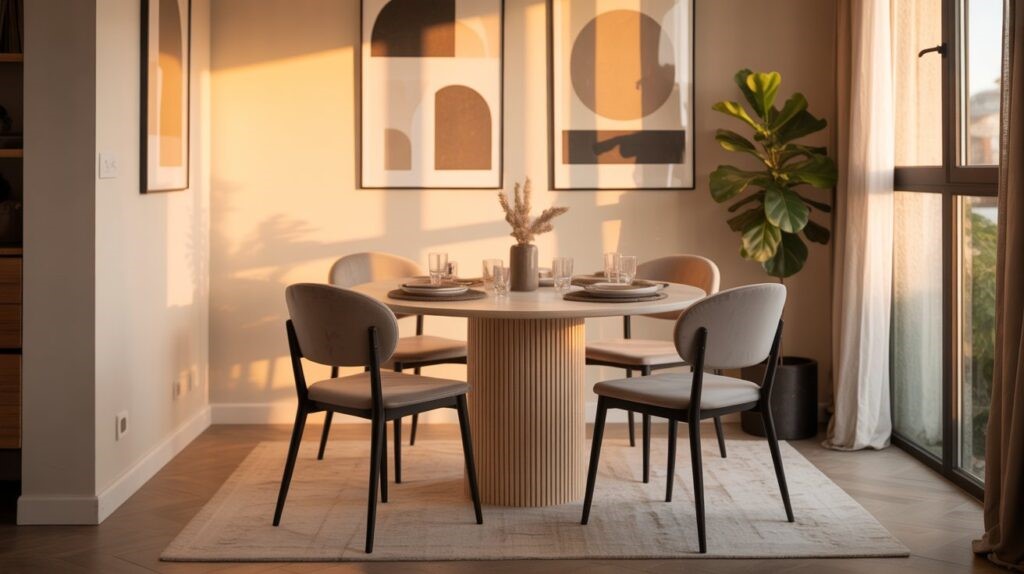
Round tables are a classic in small spaces because they can gather more guests than the square option, and the curved shape makes the room look much more organic, fluid, relaxed, and spacious.
Benefits of Round Tables
- Gather more guests than square tables
- Create a more intimate and pleasant atmosphere
- Make the room look more organic and fluid
Even better if the round table has a central base or leg, because it provides much more comfort and zero obstacles between chairs, which facilitates the organization and movement of people. At the same time, visually it feels much lighter.
Also, round tables create a more intimate and pleasant atmosphere that promotes sharing because people can see each other and interact more easily.
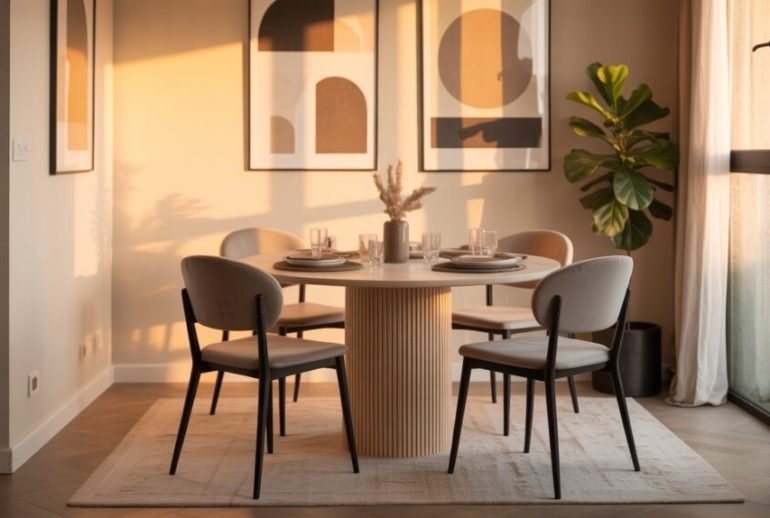
Look at this beautiful small dining room. It’s cozy and pleasant. This table is ideal for small dining rooms because of its round shape and the central support structure. Notice how light the dining table feels in the space.
Oval Tables for Narrow Spaces
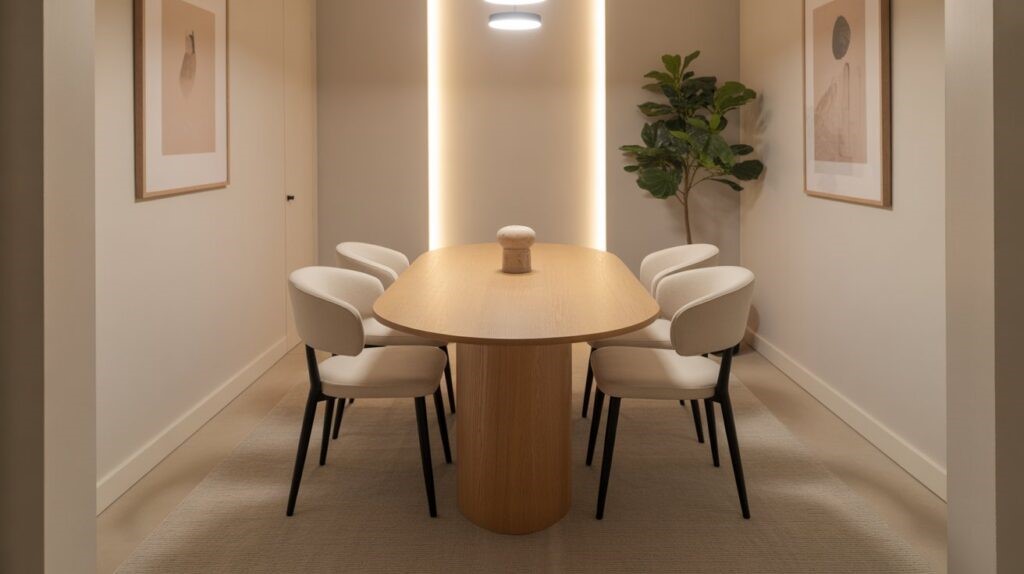
If you need more seating and your space is narrow and rectangular, oval tables are an excellent option. Oval tables are as functional as rectangular ones, but their curved shape gives the space the same softness as round tables.
Why Choose Oval Tables?
- Functional like rectangular tables
- Softer look similar to round tables
- Central support structure makes them visually lighter
Like round tables, oval tables with a support structure in the center are more comfortable and visually lighter.
Folding Tables for Tight Spaces
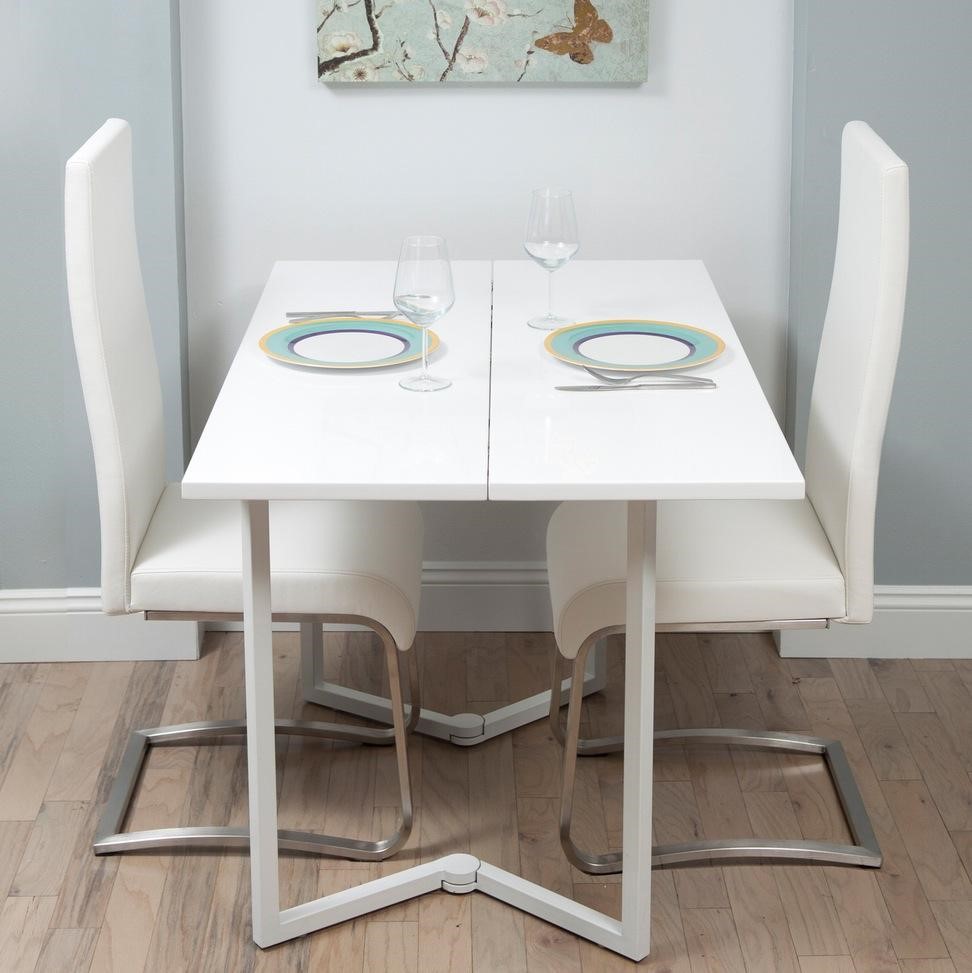
On the other hand, if your space is tight, you can add folding tables that adapt to special locations or opt for tables that you can fold and attach to the wall.
Advantages of Folding Tables
- Save space when not in use
- Flexible for different occasions
- Perfect for very compact rooms
When you don’t need it, just close it and that’s it. It’s the perfect solution for spaces where having a dining table permanently might take up too much room.
Dining Room as a Luxury Space
A dining room is almost a luxury. There are many options, and the best one will depend on the dimensions and shape of your space.
If the room dimensions and shape allow you, you can opt for rectangular tables. But make sure that you are able to circulate and use the dining room comfortably.
Measuring Before Buying
Before buying your dining table:
Key Measurements to Consider
- Measure your space
- Measure the table you intend to purchase
- Leave enough space between the chairs and behind to move around
Furniture Style for Small Dining Rooms
Regardless of your style, opt for simple and light structures. Heavy furniture, solid designs, and dark colors are not the best option for small dining rooms.
Choosing and Combining Chairs
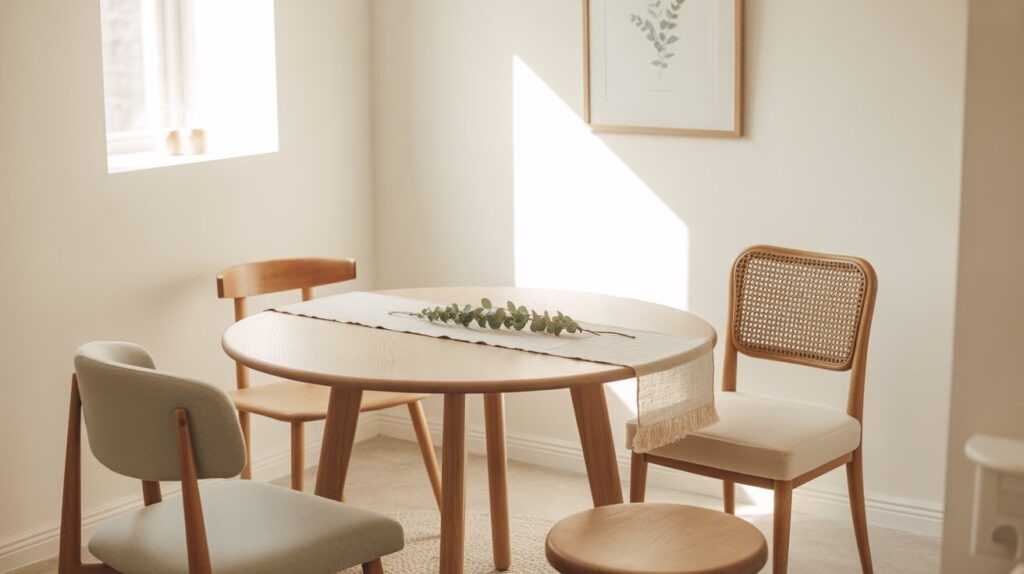
After the table, we must think about chairs. Something I love about small dining rooms, and that I find very cute, is being able to play with the chairs.
Mix and Match Chairs
Not all the seats have to be the same shape or color. Combining different chairs creates an authentic space.
Benefits of Mixing Chairs
- Adds character and authenticity
- Versatile for using in other areas
- Doesn’t look like typical dining room chairs
Light and Easy-to-Move Chairs
When choosing your chairs, make sure they feel light and are easy to rearrange. It’s essential that you can see through the chairs so that the space feels lighter and more dynamic.
If you opt for upholstered chairs with high backs, it will make the room look more crowded.
Stools and Benches for Tight Spaces
Sometimes the space is so small that we have no other option but to occupy a part of the circulation area.
In these cases, it’s an excellent idea to use low stools or benches that can be stored under the table when they are not being used.
Functional Seating in Small Dining Rooms
Look at the dining room that partially blocks the circulation area. In this case, these simple but versatile woodenbenches can be placed under the table when not in use, or even taken to the living room when needed.
Benefits of Benches
- Beautiful and stylish design
- Light visual weight
- Highly functional in compact spaces
This mixture of pieces gives charm to small dining rooms.
Coordinating with Adjacent Spaces
When choosing seats, consider the decoration and style of your adjacent spaces. Also, pay attention to the color palette you already have at home to maintain harmony.
Lighting as a Statement Piece
The perfect complement to a dining room is a beautiful lamp. But it should never clutter the space.
Choosing the Right Lamp
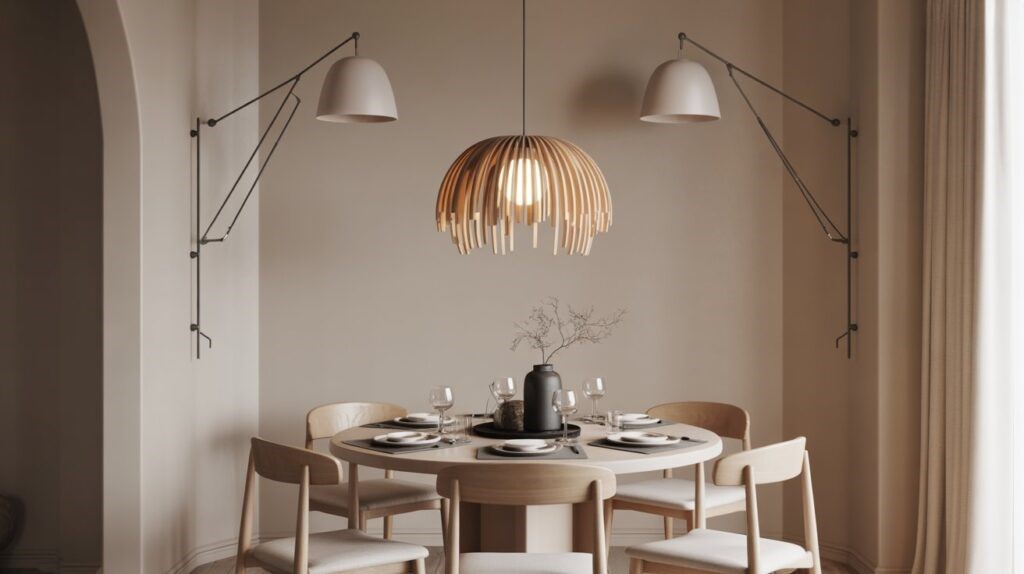
If the height allows, go for an impressive but simple lamp or chandelier. This is a great way to accentuate the vertical lines of the space, drawing the eyes upward and creating a feeling of openness.
Lamp Options to Consider
- Pendant lamps with natural fiber shades
- Delicate chandeliers
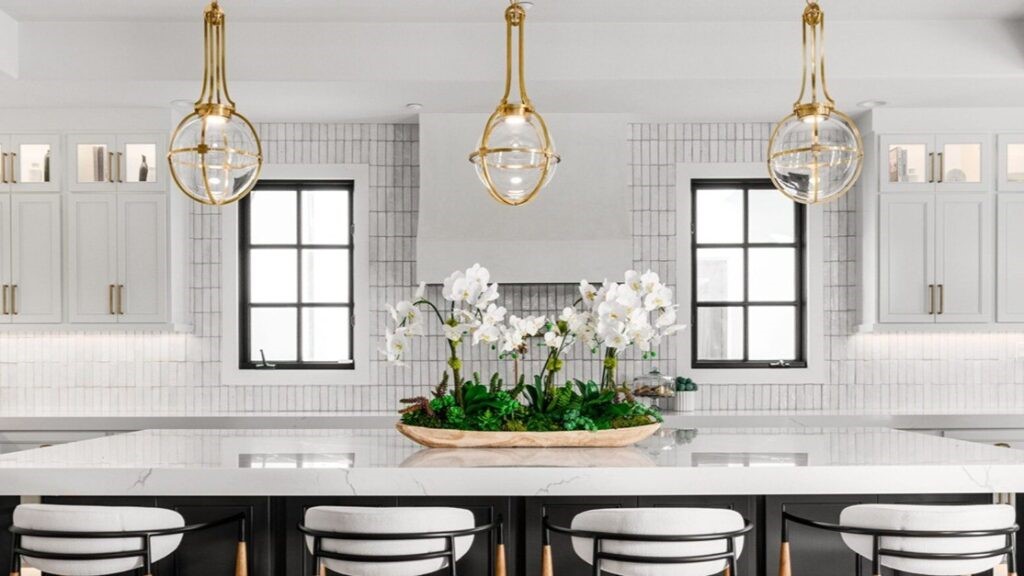
- Contemporary lamps with sculptural structures and glass globes
- Japanese origami lamps
- Any option that matches your interior design style
Placement and Proportions
The lamp should always be centered above the table.
Key Measurements
- It shouldn’t exceed the table’s length
- Leave at least 6 inches margin from both ends of the table to the edge of the lamp
- Leave 30–35 inches from the bottom of the lamp to the tabletop to avoid blocking vision or accidents
Alternative Option
If you don’t have the height for a ceiling lamp following these measurements, another option is to use wall lamps that can be extended.
I love the asymmetrical volumes and authenticity that this option creates.
Built-In Seating for Small Dining Rooms
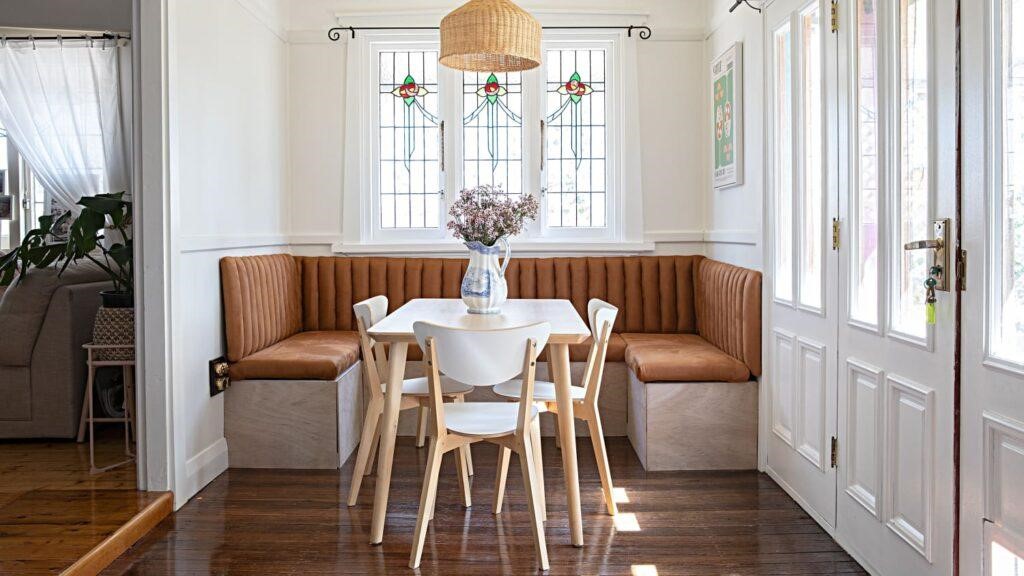
A great solution in small dining rooms is to have seats that are part of the architecture. This makes the dining room look warm and intimate while saving space.
Advantages of Built-In Benches
- Creates a cozy and stylish look
- Maximizes every inch of space
- Can be customized with hidden compartments
You can build a bench with built-in storage and decorate it with cushions. Another option is to use natural wood and place baskets underneath.
Corner and Window Solutions
Take advantage of a corner or window area to design a customized bench.
Combination Tips
- Pair the built-in bench with wooden or other material chairs
- Add cushions for patterns, textures, or accent colors
This option fulfills the dining function without literally looking like a dining room—especially when the dining area shares space with the living room or kitchen. It makes the entire area much more interesting and efficient.
Adding Greenery to Your Dining Room
Don’t forget to bring nature indoors. Beyond a simple centerpiece arrangement with branches, flowers, or leaves, you can liven up a corner with a tall plant.
Why Add a Tall Plant?
- Adds color, movement, and texture
- Accentuates the vertical space
- Draws the eye upward, making the room feel larger
Plant Selection Tip
Choose a plant that is tall and narrow to emphasize the height without overwhelming the space.
In very small dining rooms, curtain panels can feel overwhelming. Opting for blinds is an excellent solution.
Benefits of Blinds
- Easy to clean and maintain
- Can be opened wide for natural light
- Available in various materials and styles (fabric, plastic, wood, natural fibers, blackout pleated, etc.)
Choose blinds that fit your style and color palette.
When to Use Curtain Panels
If your dining room is not too small and you prefer curtains:
Tips for Curtain Panels
- Mount the rod or rail as high as possible
- Opt for light, durable fabrics that are washable at home
👉 For more details like fabric measurement, rod placement, and styling tips, check the recommended resources.
Create a Focal Point in Your Dining Room
A focal point is a great way to make a bold statement, even in small dining rooms.
Using Wallpaper for Depth and Movement
When selecting wallpaper:
- Choose colors without high contrast
- Use patterns and textures scaled to the space
- Avoid heavy geometric patterns
- Opt for organic shapes, vertical lines, or 3D-like designs
Example of Effective Wallpaper
Wallpaper with tree patterns creates a sense of depth and movement. The print looks layered, visually expanding the room while keeping uniformity.
Using Artwork as a Focal Point
Another option is to place a painting on the wall behind the dining table.
Key Considerations
- Pick a painting with the right proportion and balance for the furniture
- Avoid crowded gallery walls in small spaces, as they may feel cluttered
Add a Focal Point with Statement Lighting
Another great way to create a focal point is by choosing a lamp that catches the eye.
Keep in mind the tips we discussed earlier about lighting.
👉 For a deeper dive into creating focal points in different areas of your home, check the recommended resources provided in the description.
Use Your Dining Room in Different Ways
In small spaces, versatility is essential. Be creative with how you use your dining table.
Multipurpose Dining Setup
Apart from eating, your dining room can serve as:
- A work area
- A study zone
- A flexible social space
Example of a Versatile Dining Room
This small dining room has all the necessary elements for daily use while staying stylish.
- Instead of one large table, it uses two rectangular tables.
- Both tables can be placed against the wall to create dual workstations.
- Wall lamps provide perfect illumination for the work surface.
- The artwork looks stunning in both dining and working layouts.
Ideal for Small Households
If you live alone or with one other person:
- You can set up your dining room for guests when needed
- On regular days, it can easily transform into a study or work area
Key Considerations
- Always measure the available space
- Evaluate the furniture you plan to purchase
- Choose lightweight and comfortable pieces that allow multiple arrangements
Use Light Colors and Embrace Natural Light
Since dining rooms are dynamic social areas, a touch of color through paintings, chairs, or decorative accents is ideal.
However, light colors should dominate to visually expand the space.
Wall and Furniture Colors
- Paint walls in white, light gray, or neutral tones
- Choose big furniture in similar shades
- Light-colored furniture blends with the wall, making the room feel larger
Go for Low Furniture
Why Low Furniture Matters
- Avoid chairs with high backs that block the view
- Select chairs that don’t exceed the table height too much
- This ensures that other elements, like lamps, tall plants, or wall art, remain the focus
Curved Furniture for Small Spaces
- Opt for curved or organic-shaped chairs
- Works especially well with rectangular dining tables
- Curved backs soften the look and add flow to the room
Give Lightness with Acrylic and Glass
If your dining room feels small or crowded, acrylic or glass furniture can be a game-changer.
Benefits of Acrylic Chairs or Benches
- Transparent design reduces visual saturation
- Creates the illusion of a larger space
- Matches easily with different styles, from glam to minimalist
Example Setup
- A solid natural wood table paired with acrylic chairs with black legs
- The area feels light and open
- The table remains the main focal point
Final Thoughts
By playing with materials, shapes, and colors, you can manipulate the perception of space and make a small dining room look larger.
👉 Which of these tricks do you think would work best in your dining room?
👉 Do you have a unique design trick of your own? Share it in the comments below to add to the list.
If you enjoyed this blog, don’t forget to like, share, and subscribe for more design lessons.
Commonly asked questions regarding small dining room design concepts.
Q1. What kind of dining table do we have in a small dining room?
The shape of the table should be round or oval as it occupies less space and enables more people to sit, and provides a look that is less sharp and less fluid. Folding tables can also be used in very narrow spaces.
Q2. What should I do to give the impression that my small dining room is bigger?
Walls and furniture light colors can be used, new seats are see-through or acrylic, and mirrors or vertical structures are added to physically enlarge the space.
Q3. What seats are good in small dining spaces?
Blending chairs, benches, or stools is really good. Tuck in benches that fit under the table or built-in seating with storage to make the best use of less space.
Q4. What are the best lights to make in a small diner?
Use pendant or thin chandelier lamps or a wall lamp. Alternatively, in all cases the light must be positioned over the table and the proportions also maintained in such a way that they do not overwhelm the room.
Q5. Is it possible to use a small dining room in more than one way?
Yes, versatility is key. Lightweight furniture, folding tables, and multifunctional designs will help your dining place be equipped with a study or workspace corner.
